Is Your Abilene Tree Dead or Just Dormant? A Winter Check
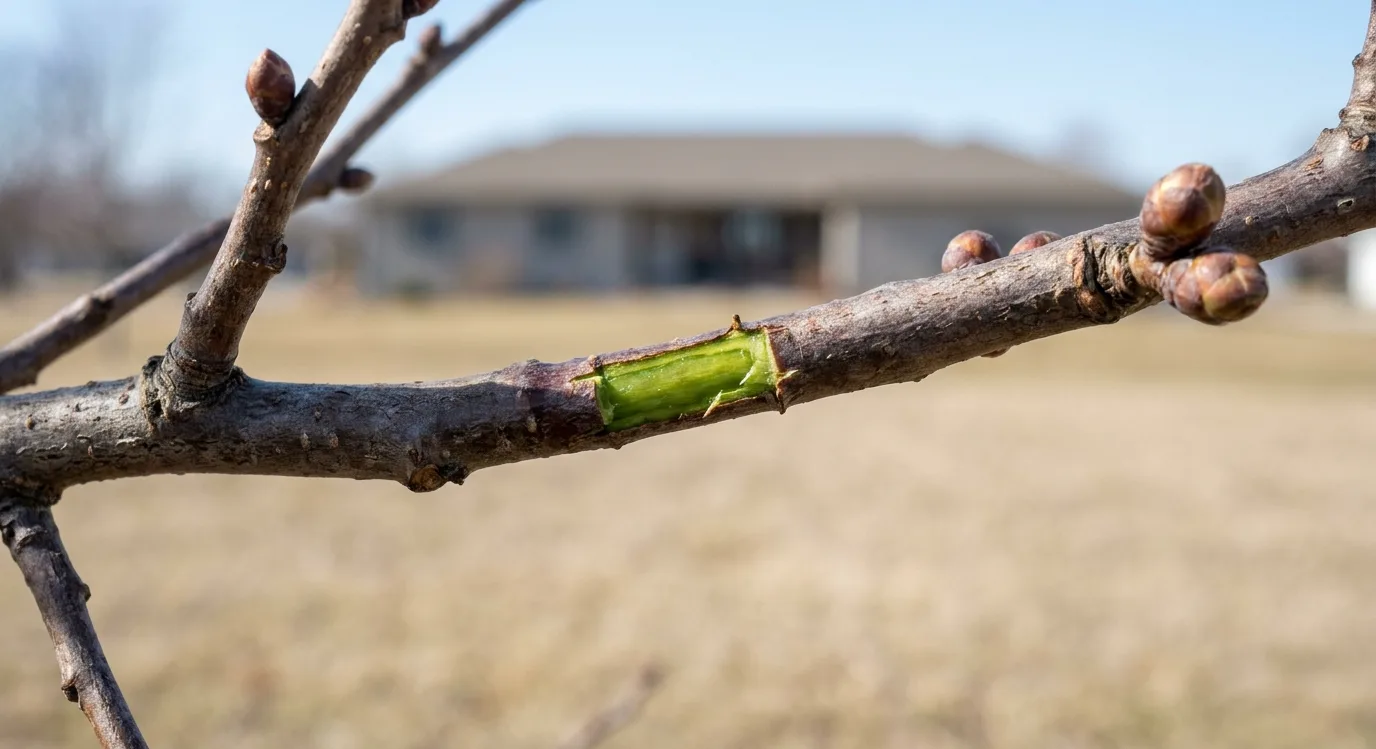
Every fall and winter we get calls from Abilene homeowners who are worried that a tree has died. Sometimes they are right. Often, though, the tree is simply dormant, or it dropped its leaves early because of a dry summer and is waiting it out. Removing a healthy tree by mistake is an expensive error, and so is leaving a dead one standing over the house. In this post, we walk through the simple checks you can do yourself and the signs that mean it is time to call a professional.
Why Trees Look Dead in Winter
Most shade trees in Abilene, including cedar elm, pecan, Chinese pistache and red oaks, are deciduous. They drop their leaves in fall and sit bare until spring. In a dry year, trees may shed their leaves weeks early to save water, which can make a healthy tree look like it gave up in September. The Texas A&M Forest Service's guide to assessing tree damage from drought covers this in more depth.
Three Checks You Can Do Yourself
- The scratch test. Pick a small branch and gently scrape away a thin strip of bark with your thumbnail or a pocketknife. Green, moist tissue underneath means that branch is alive. Brown, dry tissue means it is dead.
- The bend test. Living twigs are flexible and bend before they break. Dead twigs snap cleanly and feel dry and brittle.
- The bud check. Look at the tips of the branches. Plump, firm buds are a good sign. Buds that are shriveled or crumble when pressed are not.
Check several branches in different parts of the tree, not just one. A tree can have a dead side and a healthy side, and dieback limited to the top of the canopy often points to stress rather than a dead tree.
Some Trees Are Simply Late
Patience matters in spring. Mesquite is famous for being one of the last trees to leaf out, and pecans are also slow to start. A tree that is still bare when its neighbors are green is not necessarily dead. Unless it is showing clear signs of decline, it is usually worth waiting until late spring before deciding. Our post on mesquite trees in Abilene yards has more on that species.
Signs It Really Is Dead
Bark falling away in large sheets, mushrooms or shelf fungi growing from the trunk or base, brittle twigs throughout the entire crown, and large limbs dropping on their own are all serious signs. A dead tree dries out and becomes more brittle every month, so it is more dangerous to remove the longer it stands, especially near a roof or power line. Our posts on the signs you need tree removal and on preparing trees for storm and ice season explain why dead wood is the first thing to deal with before winter weather.
Winter Is a Good Time to Act
If a tree does need to come down, the dormant season is often the easiest time to do it. The ground is firmer, the lawn and garden beds are resting, and without leaves the crew can see the structure clearly. Our tree removal and tree trimming teams handle dead and declining trees all winter.
At Abilene Tree Service, we would much rather tell you a tree is only dormant than remove one that did not need to go. If you are unsure about a tree in Wylie, Park Central or anywhere else in Abilene, call us at (325) 225-6404 and we will take a look.
Need Professional tree service Services?
Contact Abilene Tree Service today for expert tree service services in Abilene.
Call (325) 225-6404