Preparing Your Abilene Trees for Storm and Ice Season
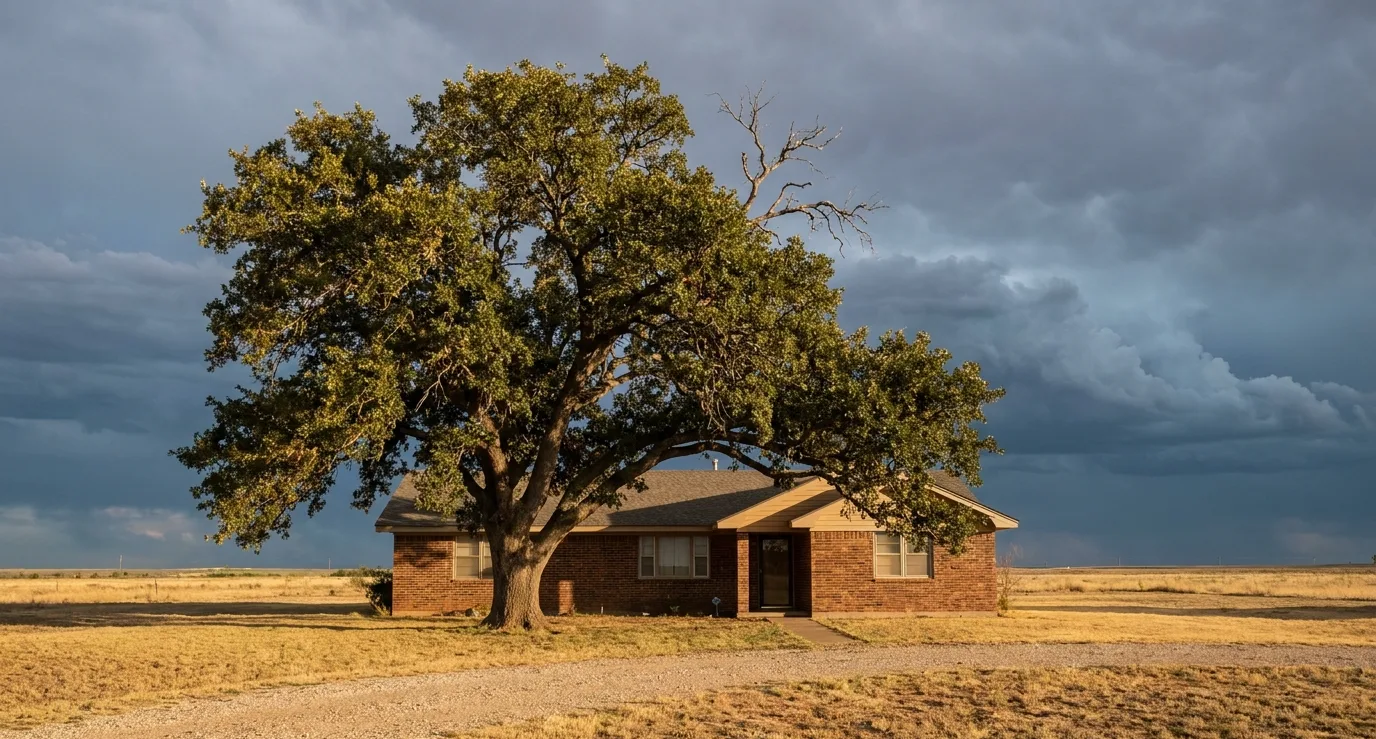
Anyone who has lived in the Big Country for a few years knows how fast the weather can change. Strong winds, spring and fall thunderstorms, and the occasional winter ice storm all put heavy loads on trees, and the damage tends to fall on the trees that already had a weakness. The quieter weeks of fall are the best time to find those weaknesses and deal with them. In this article, we walk through what to look for and which jobs are best left to a professional. If you already have storm damage, see our post on emergency tree services in Abilene instead.
Why Fall Is the Right Time
By late September most trees in Abilene have finished their summer growth, the heat has eased, and there is still time to get work done before winter weather arrives. Deciduous trees also start to thin out, which makes it easier to see the branch structure. Ice is the biggest concern later in the season. A thin coat of ice can add many times a branch's own weight, and limbs that were already cracked or poorly attached are the first to fail.
What to Look For in Your Trees
Walk around each large tree on your property and look for these warning signs:
- Dead or hanging branches in the canopy, especially over the roof, driveway or play areas.
- Cracks and splits in the trunk or where large limbs join the trunk.
- Co-dominant stems, where two trunks of similar size grow up together in a tight V. These are a common failure point in wind.
- A new or worsening lean, or cracked and lifted soil on one side of the base.
- Fungus, soft wood or hollows at the base or along the trunk.
- Branches touching or close to power lines.
The International Society of Arboriculture's guide to recognizing tree hazards has helpful photos of each of these. Our post on the signs you need tree removal covers the point at which a tree is no longer worth saving.
Trees Near Power Lines
Never prune near a power line yourself. Branches can carry current, and a limb that falls onto a line can bring it down. If a tree on your property is growing into service lines, contact your electric utility, and for branches near the line to your house, a qualified tree crew can advise you on the safe way to handle it.
Preventive Work That Pays Off
Most storm preparation comes down to a few jobs. Removing deadwood takes the most likely missiles out of the canopy. Thinning a dense crown lets wind pass through instead of pushing against it like a sail. Reducing long, heavy limbs over the house lowers the load they carry when ice builds up. In some cases, a tree with a serious structural defect close to the home is safer removed before winter than after a storm. Our tree trimming service covers all of this, and our tree removal crew handles the trees that cannot be made safe. If you want to understand the cost side first, our affordable tree removal guide explains what affects the price.
Leave the Big Limbs to a Professional
It is tempting to grab a ladder and a saw on a free weekend, but large limbs are heavy and unpredictable, and most tree work injuries happen to homeowners doing exactly this. Our DIY vs. professional tree care post sets out which jobs are reasonable to do yourself. Keep an eye on the forecast from the National Weather Service office in San Angelo, which covers Abilene, so you know when a hard freeze or ice event is on the way.
At Abilene Tree Service, fall is when we like to walk properties with homeowners and flag the trees that need attention before winter. We serve neighborhoods across town, including Sayles Boulevard, Park Central and Downtown. Call (325) 225-6404 to schedule a pre-season inspection.
Need Professional tree service Services?
Contact Abilene Tree Service today for expert tree service services in Abilene.
Call (325) 225-6404